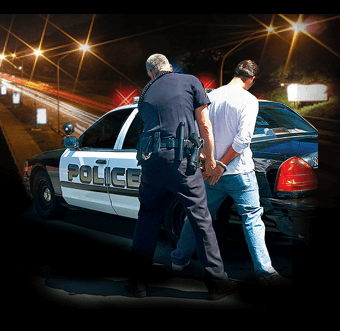

The requirement to stop and exchange information is essentially a “Hit-and-Run” prevention rule. If you leave the scene of an accident involving property damage only without providing your info, you could be charged with a misdemeanor “Hit and Run” VC 20002(a). (It is a felony if another person was injured.)
Moving your vehicle (when safe) in property damage accidents helps prevent secondary accidents and reduces hazards on the roadway. Moving the vehicle in accordance VC 20002(a) does not affect the question of fault. You must also file an SR-1 form with the DMV if someone is injured, killed or there is over $1000 damage. This requirement helps the DMV track accidents and your driving record. Failure to file when required can have serious consequences (e.g., suspension of driving privileges).
Top 4 Actions To Take After An Auto Accident Involving Only Property Damage
1. Stop Immediately And Stay Safe
- Under California Vehicle Code § 20002, if you’re involved in an accident that only causes property damage, you must “immediately stop the vehicle at the nearest location that will not impede traffic or otherwise jeopardize the safety of other motorists.”
- Once stopped, you should, if it’s safe, move your vehicle out of the flow of traffic (e.g., to the shoulder, a nearby parking lot) so as not to block the roadway.
- The CHP driver’s handbook also advises moving your vehicle if there’s no injury.
2. Exchange Information
- After stopping, you are required to exchange identifying information with the other parties involved: your name, address, driver’s license, vehicle registration, and insurance details. VC 20002.
- If the other driver or owner of damaged property isn’t present, you need to leave a written notice. The notice should include your name, address, and a statement of the circumstances.
3. Notify Authorities / Report
- According to DMV, if no one is injured or killed, you should move the vehicle off the street/highway, and once safe, notify the other party and/or law enforcement.
- If property damage is involved, you may also be required to file a report to the DMV: you (or your insurance agent) must submit an SR-1 report within 10 days if there is more than $1,000 of damage.
- The DMV and legal guides also note that failing to move your vehicle when required (i.e., blocking traffic) could lead to your vehicle being removed or impounded by an officer or authorized personnel.
4. Ensure Your Safety
- While the law allows (and in many cases requires) you to move your car if it’s safe, you should not move it if doing so would create further danger (e.g., fire risk, fluid leaks, or other road hazards).
- Use your hazard lights when moving to a safer location, to alert other drivers.
Understanding Legal Consequences
The law and your responsibility is clear: There are misdemeanor penalties for “Hit and Run” by not following the law, penalties can involve up to $1000 fine and up to 6 months in jail. It is a Felony VC 20001 if there is an injury or death and there are additional responsibilities under those circumstances to render assistance and reporting per VC 20003 and VC 20004 – Felony violations can result in jail or possible State Prison.
If you are involved with or have been charged with “Hit and Run”, the attorneys at Christoph Law Offices can help you determine next steps and help you navigate and minimize potential consequences.
Call 760-941-5720 for a free consultation. Attorneys Nick and William Christoph have been located across from Vista Courts for over 40 years, providing the highest level of personal representation for all of North San Diego County.